(W)HOLE
A public-space project revealing the invisible infrastructures behind digital life.
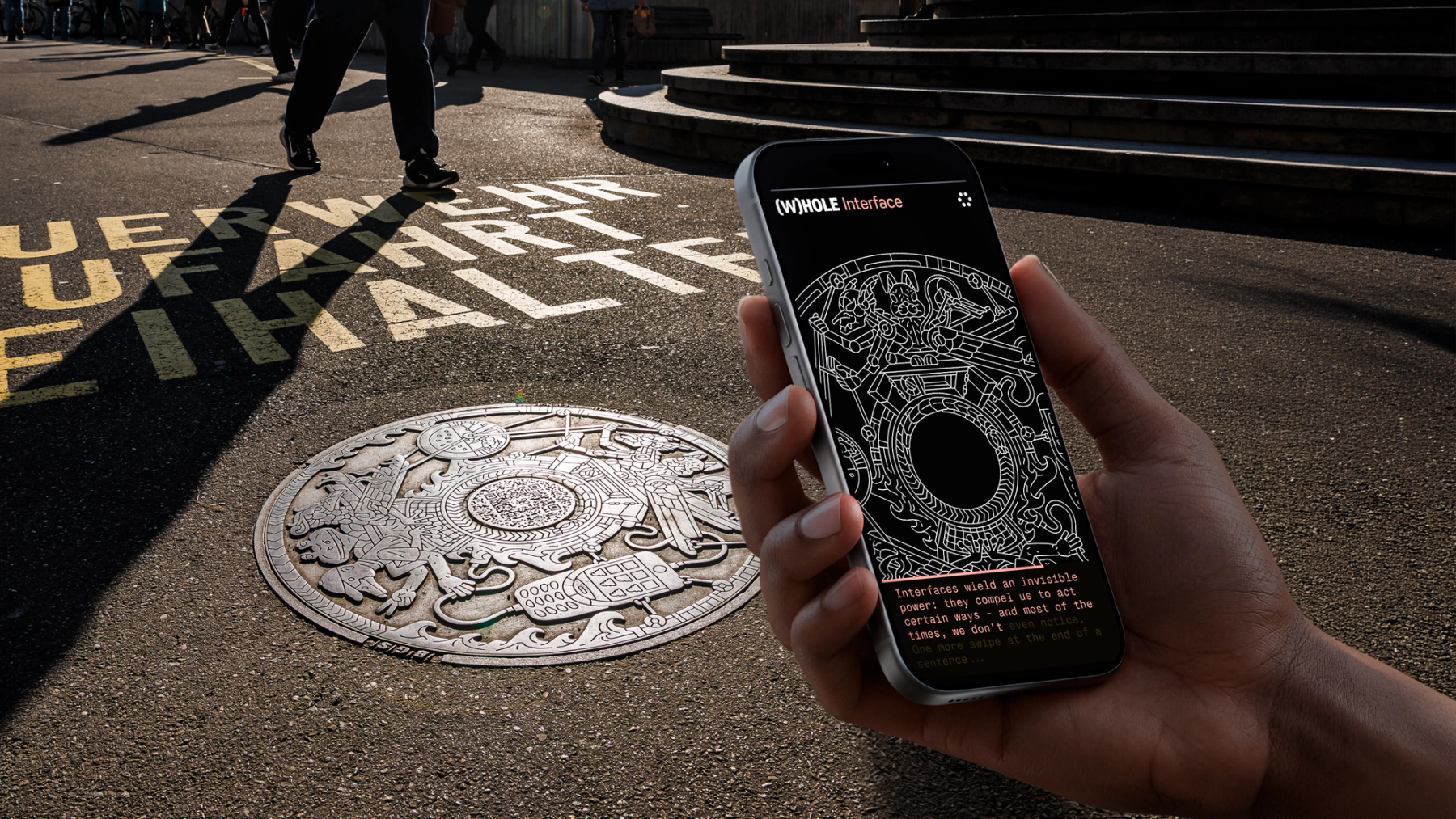
How can public spaces reveal hidden powers behind digital infrastructures?
Designer and director with a decade of experience leading digital and physical products, branding, and cultural research, from concept through production.
A public-space project revealing the invisible infrastructures behind digital life.
How can public spaces reveal hidden powers behind digital infrastructures?
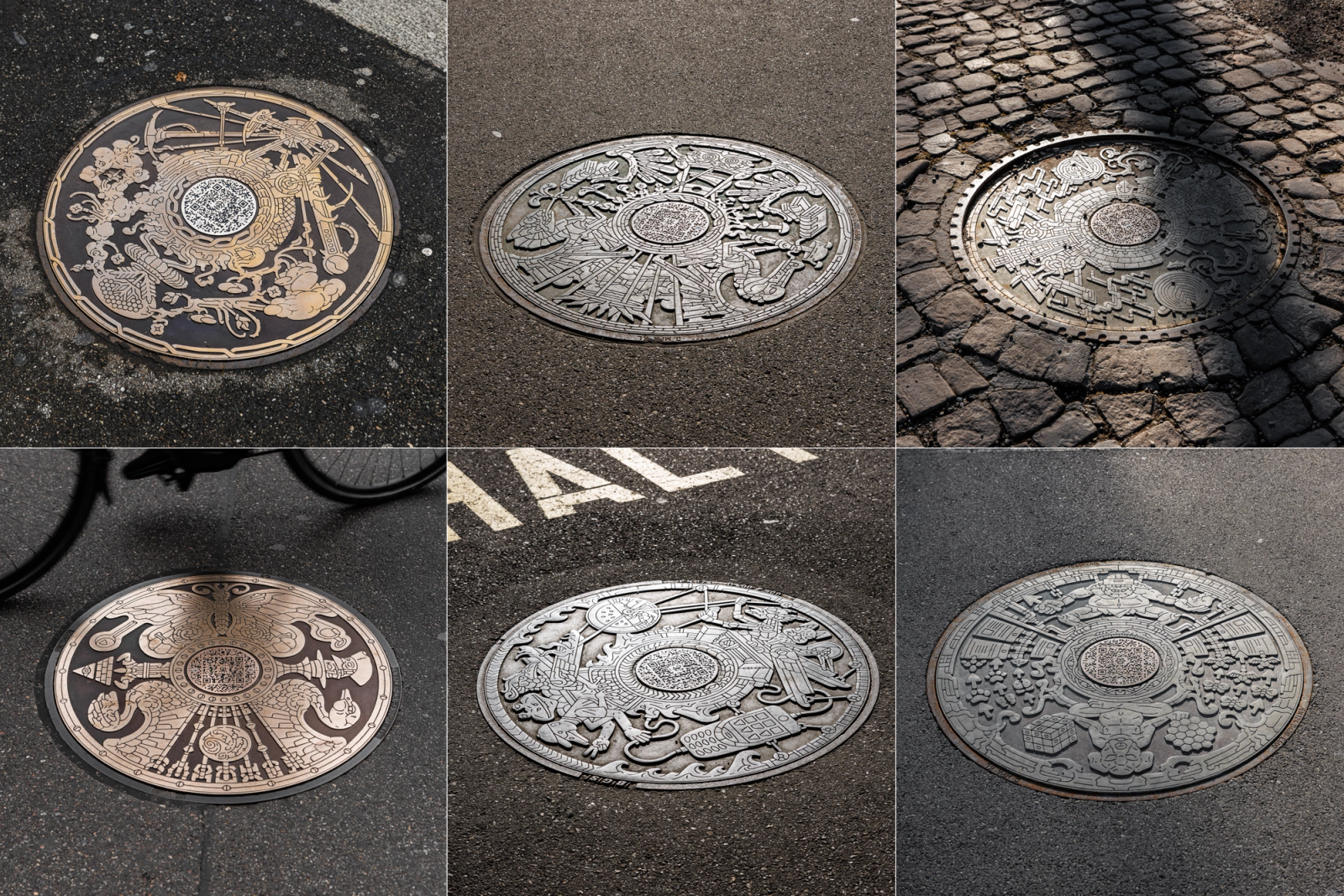
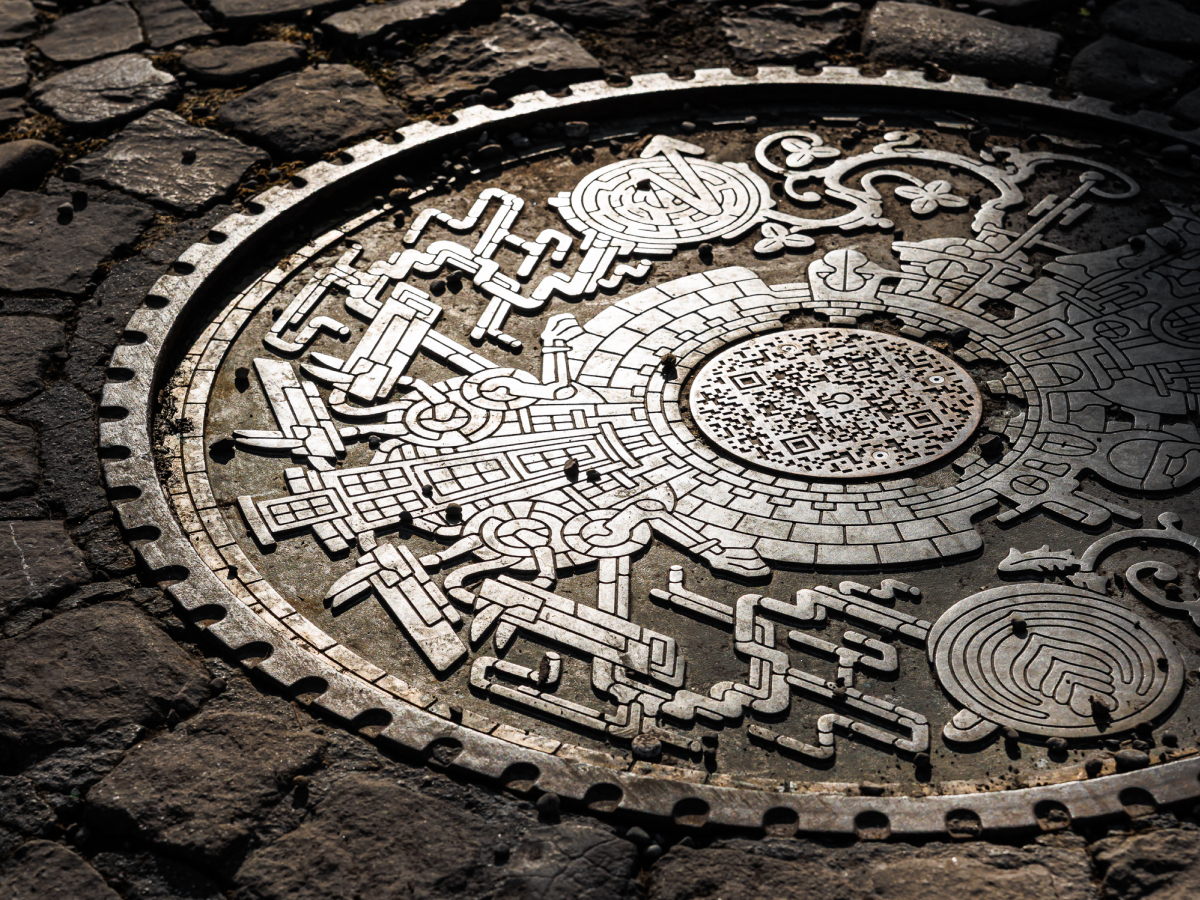
Starting from a simple urban object — the manhole cover — the project opens a speculative portal into the infrastructures that shape contemporary digital life. Cables, servers, addresses, interfaces, users, and cloud systems are translated into tangible layers that can be encountered in the city.
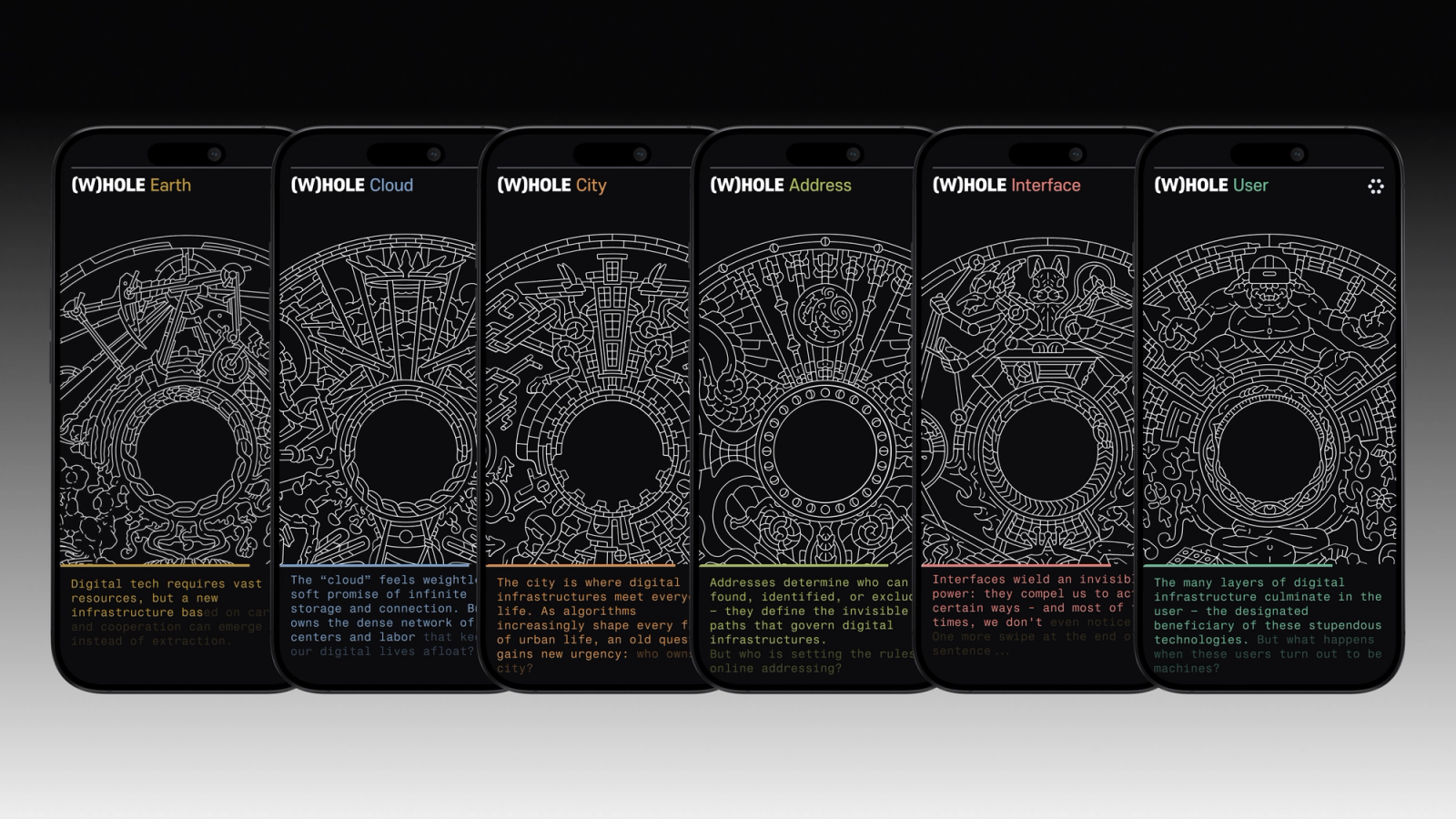
(W)HOLE is a cooperative, world-building art project aimed at unveiling the invisible power structures behind global digital infrastructures. The project brings together 6 physical manhole installations, AR environments, and digital archives to activate public engagement and reclaim agency over the future of tech. 6 Realms that take the Stack by Benjamin Bratton and attempt to augment it.
I was Co-Creative Director alongside Clusterduck members Arianna Magrini, Francesca Del Bono, Noel Nicolaus and Silvia Dal Dosso.
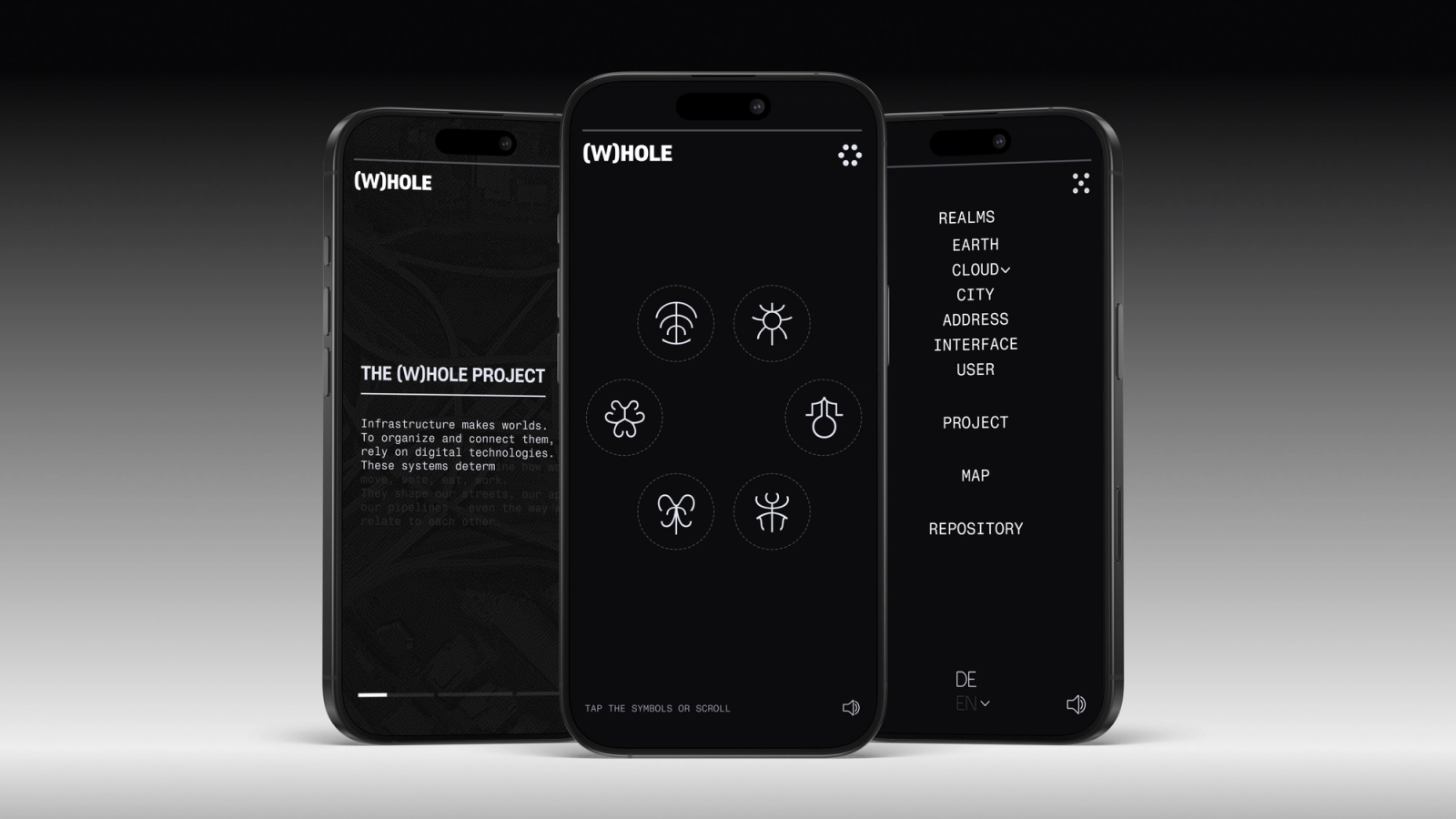
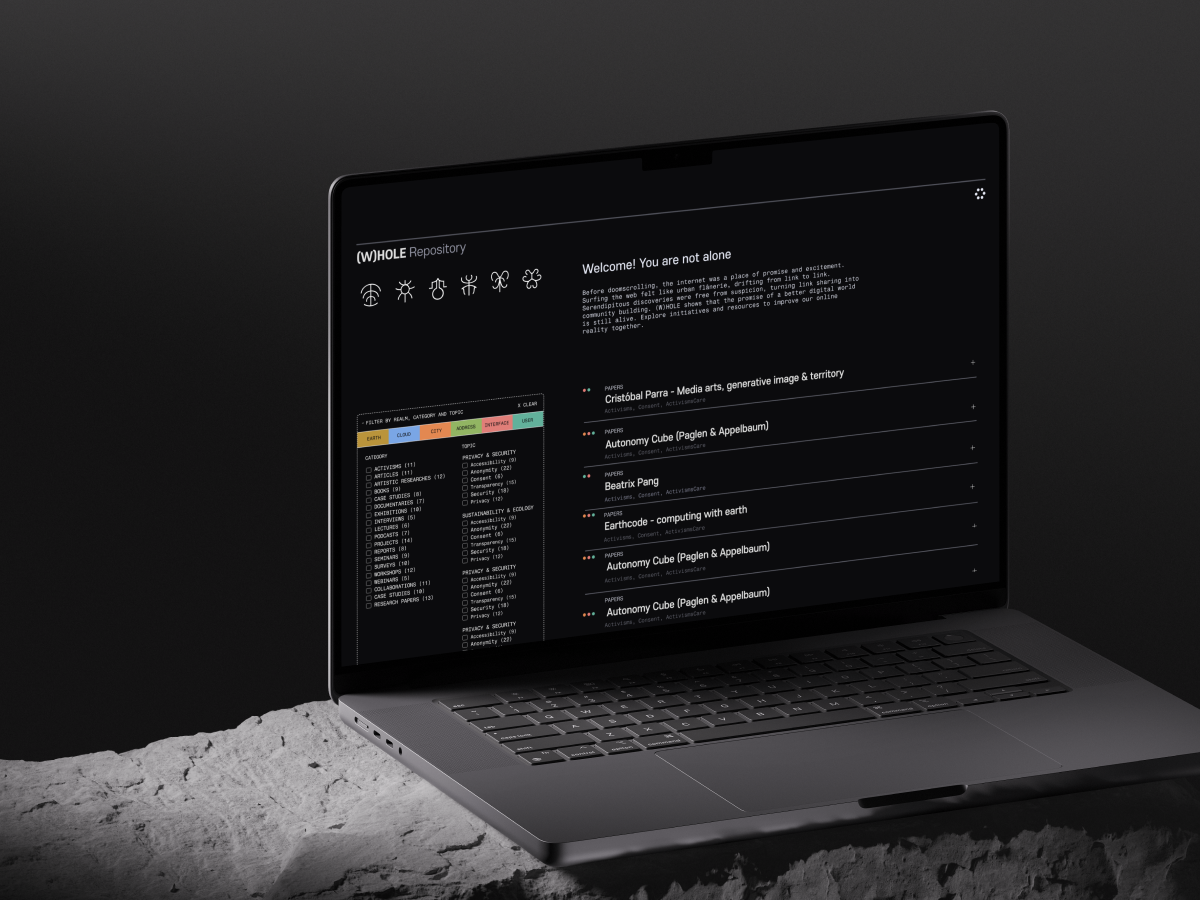
My responsibilities encompassed UX/UI and product design, integrating the physical and digital experiences. Information architecture and user flows were defined across six realms, ensuring that a low-carbon website provided an optimal experience without sacrificing performance.
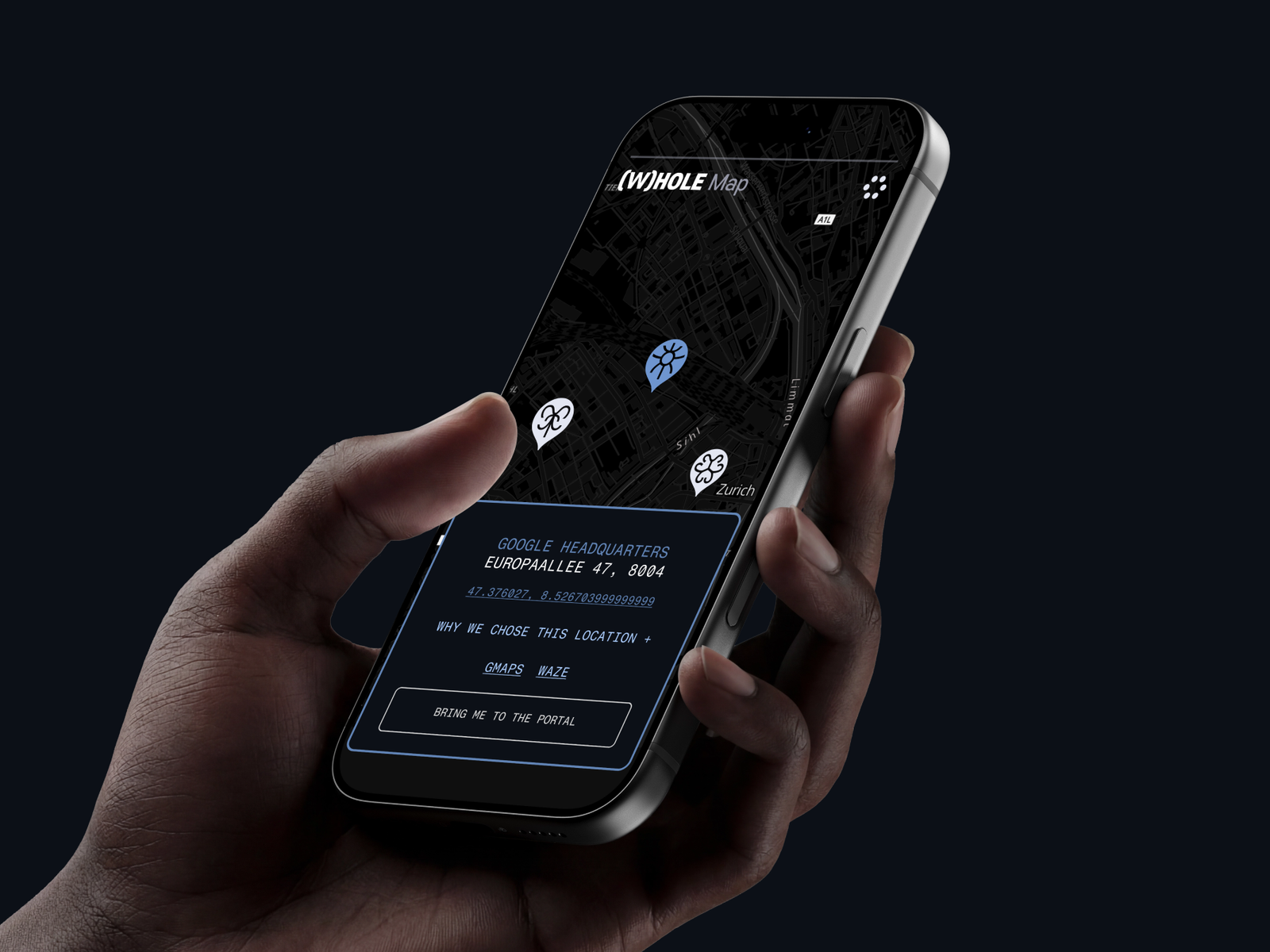
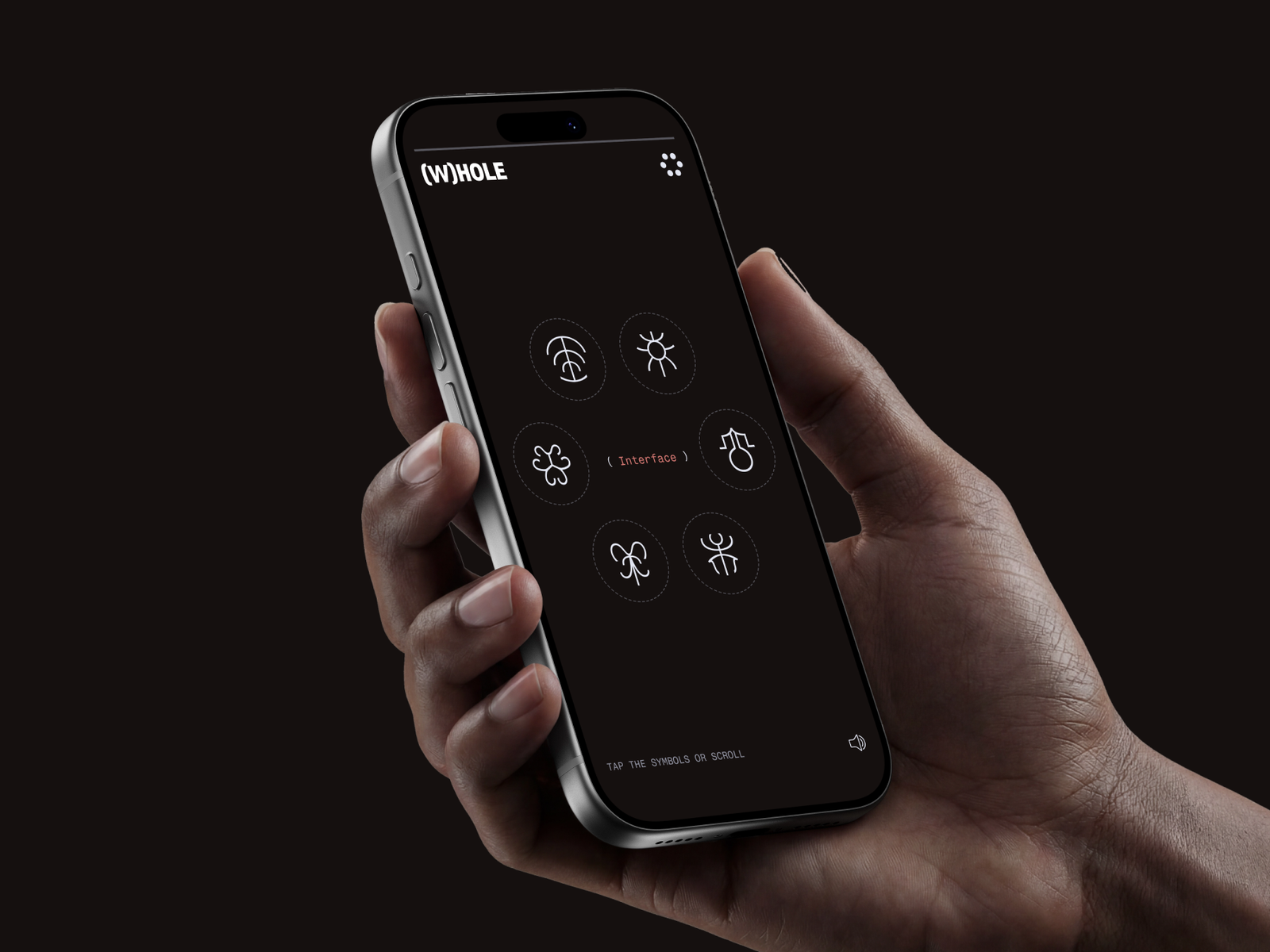
The manhole cover was used as both urban artifact and symbolic entry point. Instead of treating public space as a backdrop, the project turned the city into an interface where people could encounter hidden infrastructures through familiar objects.
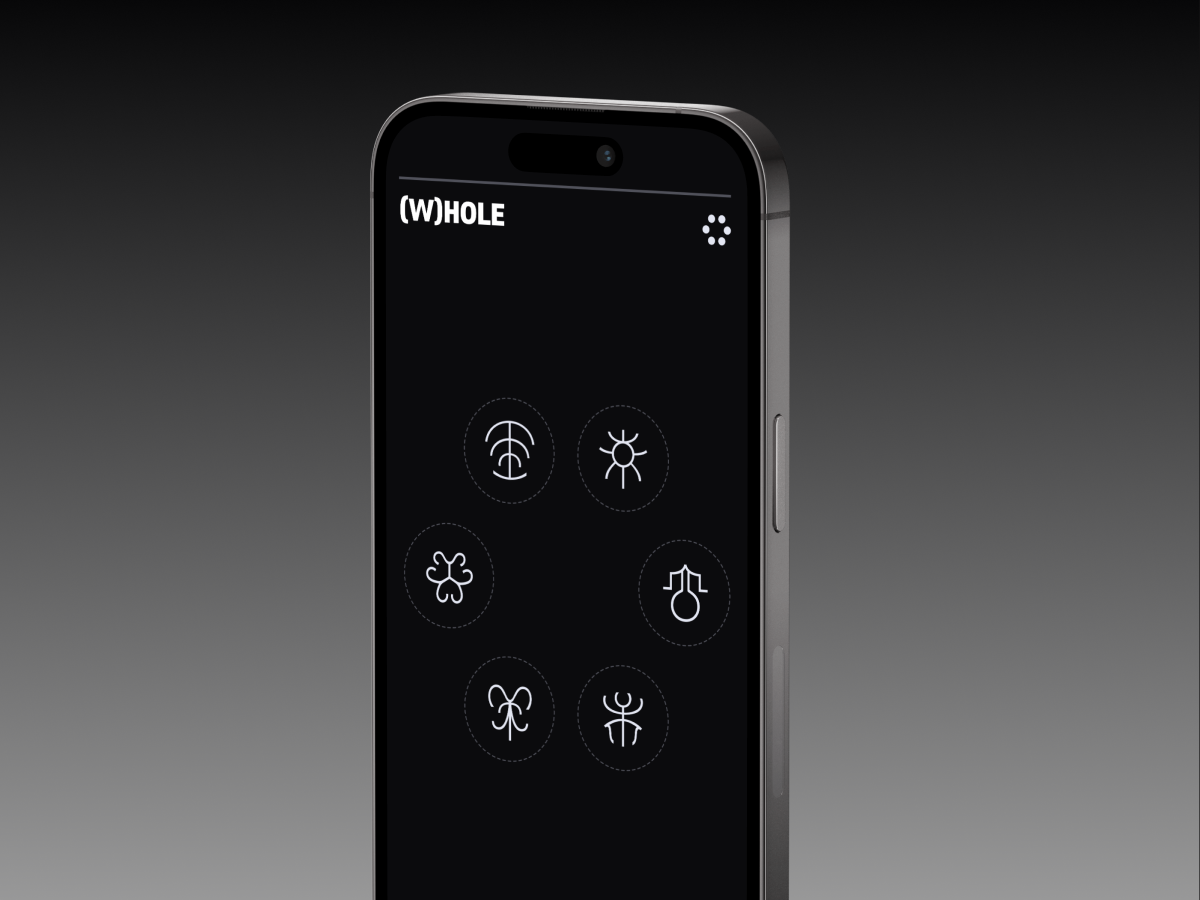
The six AR environments translated technical layers into experiential worlds. Earth, Cloud, City, Address, Interface, and User became narrative strata, helping visitors move from abstract infrastructure to embodied understanding.
The digital platform extended the installation beyond the moment of encounter. Through the low-carbon website, interactive map, and open repository, the project became a civic resource rather than a closed artwork.
Björn Alfers
Project management
Franz Alferz
AR support onsite
Cristina Bleuler
Location scouting
Gaia Cionnini
Jewelry development
Jules Durand
Symbol design, typography consultancy
Gabriele Guarisco
3D modelling
Gregorio Magini
Web technical support
Art Foundry St. Gallen
Manhole production
Nicolas Paries
Frontend development and web implementation
Pietro Parisi & Violet Forest
3D World Builder and AR integration
Vlad Storm
AR integration and AR Consultancy
Miro Tiebe
Manhole’s Design and Project Illustrations
Beatrice Zito
AR support onsite
Matteo Zoppi
Sound design and composition